Field NotesMike Gioia
Notes on the Fourth Annual AI on the Lot
2,460 people came to Culver City for the fourth AI on the Lot. Notes from the organizers on attendee categories, Hollywood studio attitudes toward AI, and the industry's watershed moment.
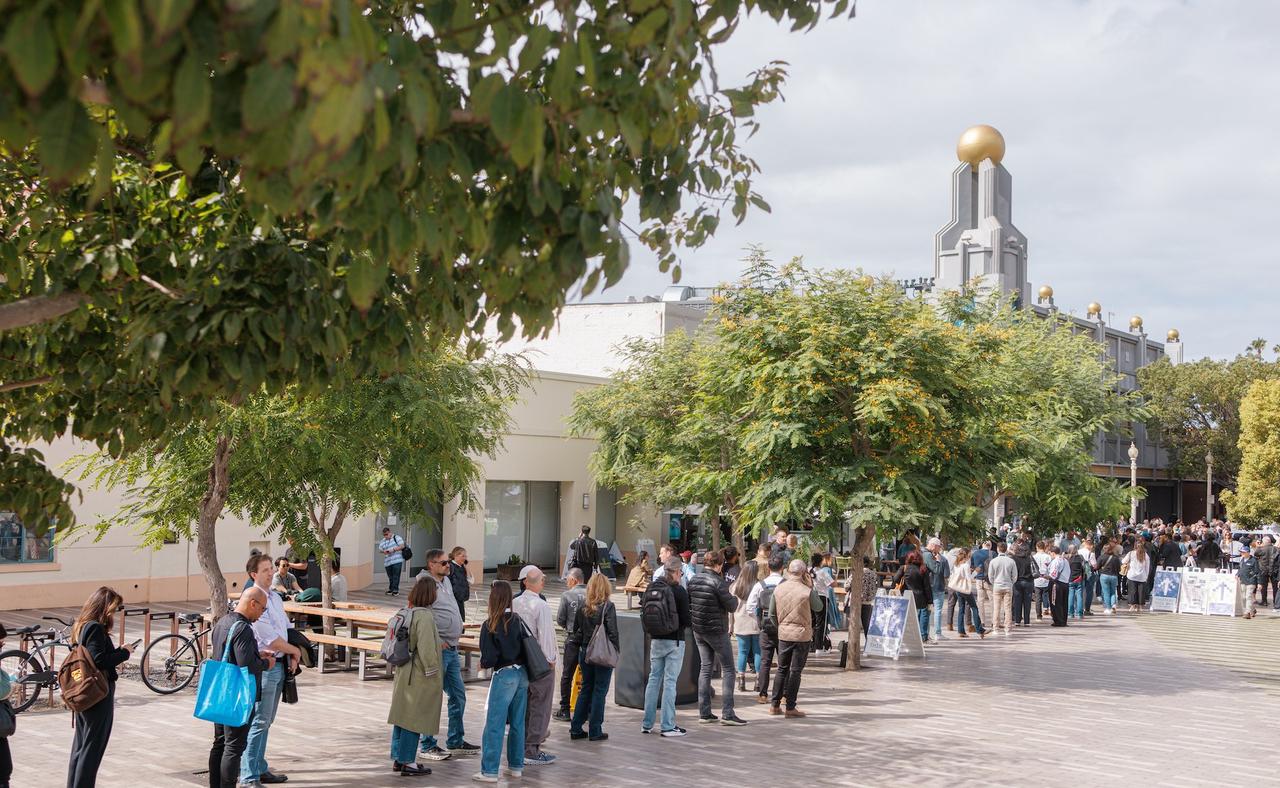
AI on the Lot 2026 drew 2,460 people to Culver City on May 27 and 28 for our fourth annual conference. That number is roughly double the previous year, and it makes AI on the Lot the largest conference about AI media in the world. We started the conference in 2023, and four years in we are surprised at how large the conference has become. Over the four years we've done AI on the Lot, attendance has grown each year: 600 attendees in 2023, then 850 in 2024, then 1250 in 2025, and now 2460 in 2026.
Attendance is an interesting figure and it's the number everyone asks for. It is the wrong measure though. We do not produce the conference to fill a plaza with as many people as possible. We produce AI on the Lot annually so that people can have the most important professional conversation of their year, usually with someone they just met. We don't have an accurate way to count this metric. The closest proxy we have is the stories that come back to us months later: co-founders who met on the Culver Steps, deals that started in a coffee line, a crew assembled out of a hallway conversation. We consider these stories the actual metrics that matter. We would trade scores of attendees for more of these high-impact moments. We want AI on the Lot to change the lives of the people who attend it.
What is the purpose of AI on the Lot
We produce AI on the Lot to highlight the best work, ideas, products, and people in AI media. It's our way to put the most impactful components of the industry into one room together.
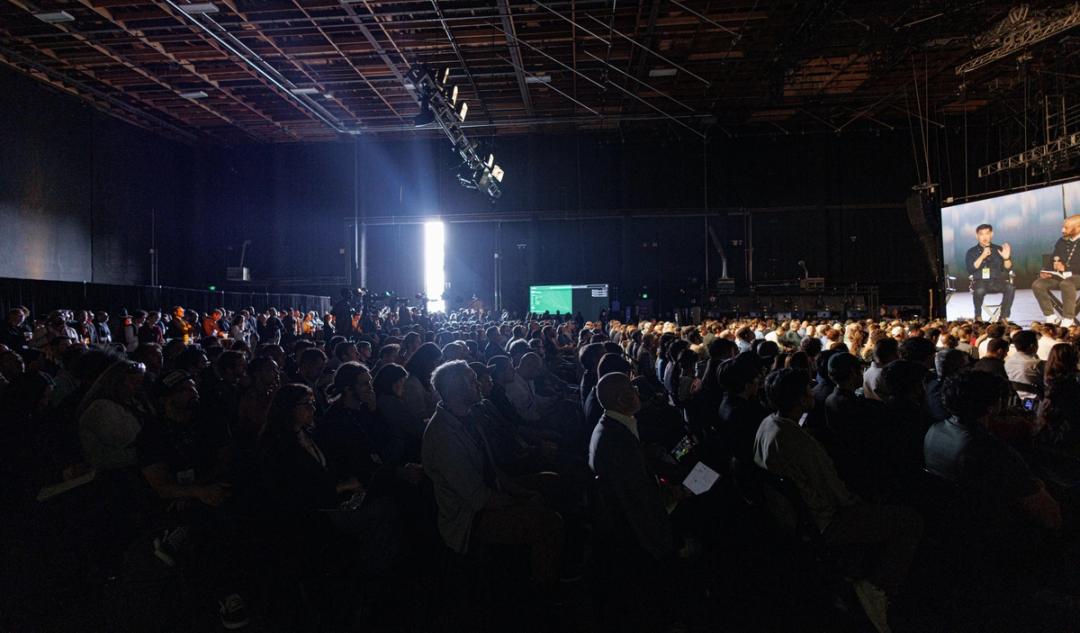
Programming (talks, panels, presentations) is our primary tool for getting people in the room. These talks filter a room into people interested in specific topics. The actual impact of the talk is felt afterwards when audience members turn to their neighbors to discuss. Programming is also our primary tool for attracting industry leaders to attend the conference as speakers.
In our first year of putting on AI on the Lot, the conference's subject was "generative AI's impact on film and television". We have since widened the conference's focus to "Generative AI's impact on media and entertainment". We do not think the major impact of AI will land in traditional media formats such as 30-minute/60-minute television or feature films. While AI will certainly touch these existing parts of the entertainment market, we believe the primary impact of generative AI will be felt in new formats which many people call neumorphic media. Micro-dramas, playable IP, and character avatars are all nascent examples. The cultural energy, consumer attention, and investor money are all moving that way and it's most likely that generative AI will be central to the very form these take.
We intend to restate that paragraph every year, as we think it will become more and more central to AI on the Lot.
Who Comes to AI on the Lot
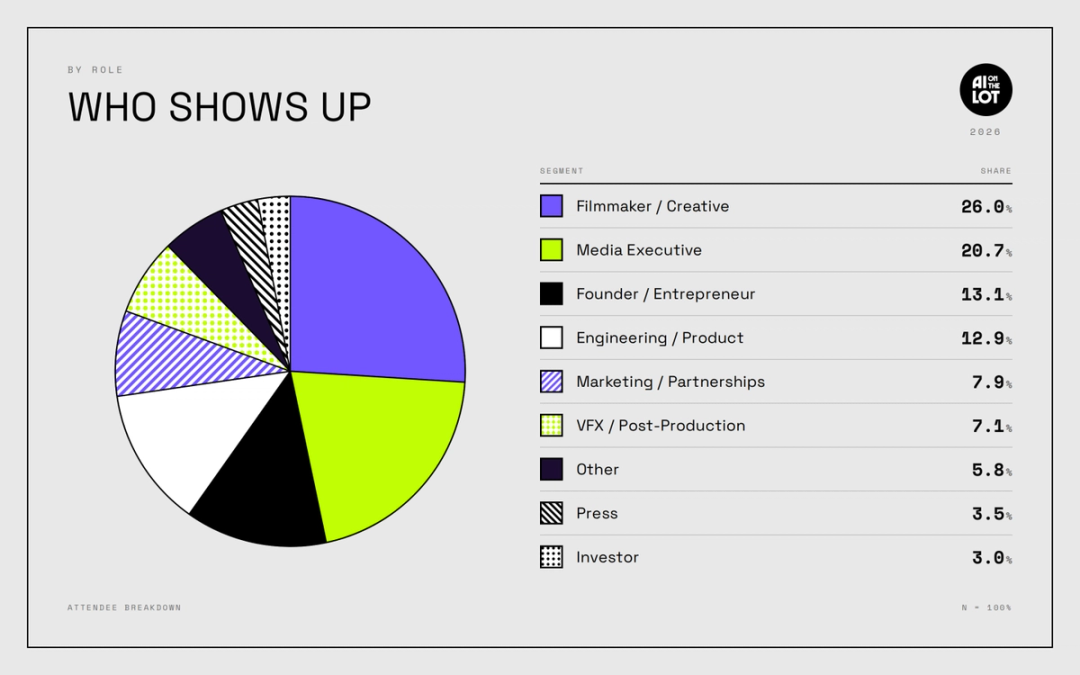
Filmmakers make up the plurality of attendees. These filmmakers run from working commercial directors to recent grads doing PA work while they write their breakout script. At the edges of this group, the categories get stranger: directors operating pseudonymous AI influencers, animators putting unlicensed fan films on Reddit. The common feeling in this group is empowerment. They believe they can create more than they ever could before. They still have questions about distribution, monetization, and business models. These are not their responsibility to answer. Artistically, they are the most excited people at the conference.
Media executives make up the second largest group of attendees at 20.7%. These attendees are from major studios, talent agencies, ad agencies, production companies. This group is uncertain and eager to understand better. Their questions are almost entirely about business models and revenue models, and whether Hollywood will end up owning the new models.
Founders make up the third largest group, and this number has grown every year. I am not sure whether more founders are attending AI on the Lot or more people are calling themselves founders. I lean toward the second. Most of these founders are full-time with venture backing for their companies. A meaningful share of this group have day jobs and are vibe-coding a product they hope to turn into a full-time business. This large class of aspiring founders is a telling change from previous years. It's indicative of the feeling of empowerment and agency that attendees demonstrate.
Why Do People Attend AI on the Lot
Different groups attend AI on the Lot for different reasons.
Traditional filmmakers attend AI on the Lot because they want to learn the tools themselves, they want to make their productions more efficient, and they want to hire someone who is genuinely good at AI. This group tends to think of AI as a department hire, wanting to hire a couple "AI specialists" for their productions.
AI-native filmmakers attend AI on the Lot to show their work, meet talent, meet AI companies. These filmmakers typically want two things from AI companies: credits and money. Credits are as good as gold and nobody working daily with video models has enough of them. AI companies are also large funders of AI-first films right now, and many filmmakers are savvy to this dynamic. Outside Amazon AI Studios, traditional studios are not stepping in to fund fully generative video. This group of filmmakers are also hiring because they are getting more commercial work than they can handle, from clients ranging from ad agencies to churches. Most successful AI-native filmmakers are trying to scale their businesses and teams as fast as possible.
AI companies come to AI on the Lot because they want mindshare across the influential group of attendees, they want to meet creative partners who can showcase their tools, and they want to sell enterprise deals with studios and large agencies. The smartest AI video companies treat top artists as investments. These relationships often start with a creator program and subsidized credits and sometimes end with the platform greenlighting an original series. Kavan the Kid and Noah Wagner both have series produced this way.
Studios attend AI on the Lot because they want to learn, they want to find AI talent, and they want to quietly measure their internal AI efforts against what other teams are doing. The studios have to be very quiet about their internal AI efforts, so AI on the Lot becomes an important place for them to actually discuss and measure their efforts. On the hiring point, these studios also treat AI as a department to staff that will work cross-functionally across their organization. The smartest of them, however, upskill their current workforce with AI skills.
What Changed About AI on the Lot in 2026
In 2023, during the very first AI on the Lot conference, AI was in the middle of the WGA strike. The technology was immature and the guilds were making a prediction that it would matter without really understanding it. The framing that came out of that period was overly simple and lasted for several years: AI is pro-capital and anti-labor.
This narrative made AI a toxic topic for many Hollywood institutions. Studios were not allowed to engage with it publicly. Creatives were afraid of social ostracization for using AI. The majority of backlash was a reflex based on the anti-labor/pro-capital framing. In reality relatively few people had actually used the tools first-hand and formed their own opinions.
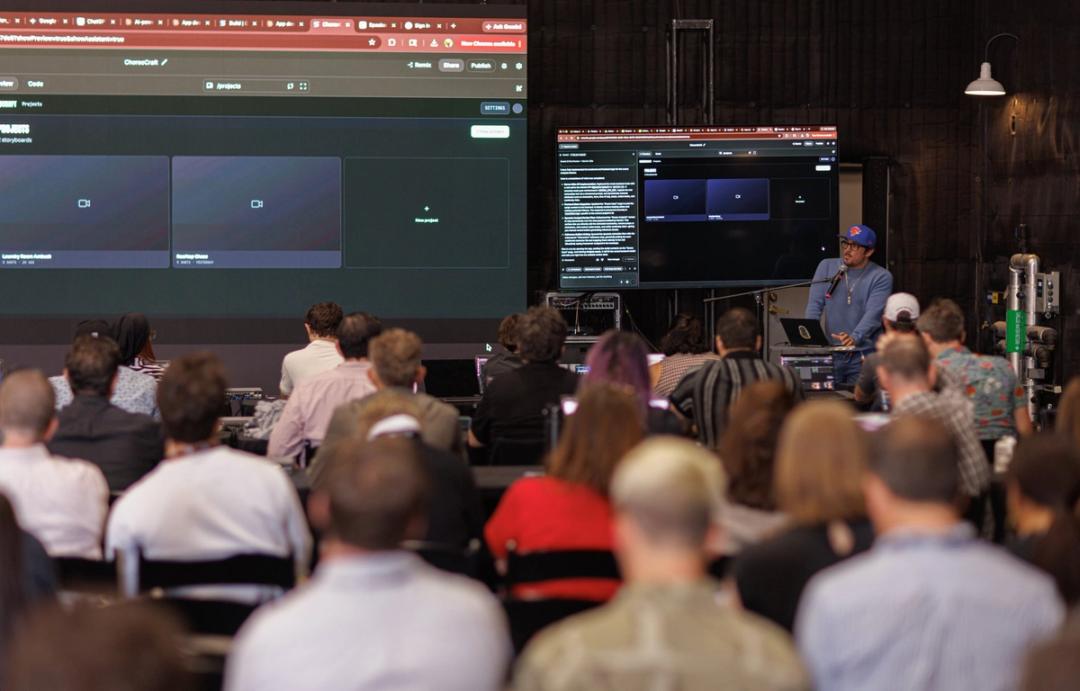
In the 2026 conference, much more of Hollywood and the creative industries had actually used the tools. This year many more creators (including many high-profile creators) see AI as pro creative labor because it lets them create more with less interference from corporations and capital. Filmmakers don't need to get monied interests to greenlight their film, they can start creating it instantly.
Many more high-ranking executives and decision-makers came this year than past year. This attendee group still attends somewhat quietly. Plenty of attendees are loud about their attendance, posting before, during, and after. The a16z tech investor Justine Moore wrote a long recap of her AI on the Lot experience. Filmmakers post highlight reel videos of their experience at the conference. Hollywood executives did not publicly advertise their attendance online or share their thoughts publicly afterwards.
That told us three things: One, that for executives the conference's main attraction is being a safe place to discuss AI out-loud and make deals. Two, we have consistently underestimated how thoroughly corporate risk-reduction culture shuts down that conversation inside studios. And three, we have also underestimated how much these same studios are spending anyway in AI efforts even while being hamstrung internally.
What the Press Liked About AI on the Lot
The newsworthy part of AI on the Lot 2026, at least to major media outlets, was Paul Schrader and Gareth Edwards speaking publicly about AI and filmmaking.
Director & screenwriter Paul Schrader, longtime collaborator and screenwriter for Martin Scorsese, gave a keynote address on AI and film. Within hours, Schrader's remarks led to stories in The Hollywood Reporter, Deadline, and the LA Times. Gareth Edwards, a filmmaker who has directed installments of blockbuster franchises like Star Wars and Jurassic Park, also spoke about AI and filmmaking at AI on the Lot. The very same day his remarks were reprinted in The Guardian, The Hollywood Reporter, and several other outlets. As both Schrader and Edwards would tell you themselves, they are not advanced users of AI tools. They have both experimented with AI tools to see where they can be useful in their creative process and productions, but they are not the most sophisticated manipulators of the tools. Here is a video of Paul Schrader's keynote address on AI and film.
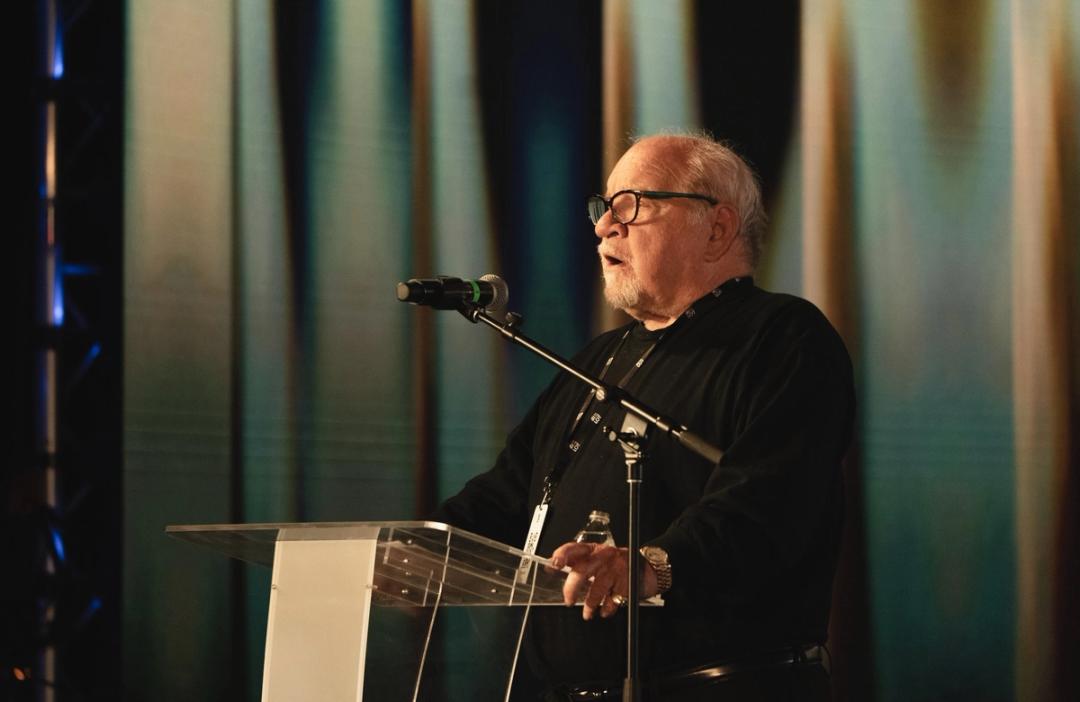
Many speakers who understood the subject matter far better made much more detailed and concrete statements about AI. Their remarks and predictions were not given the same spotlight in the press. That being said, the outlets are not wrong in their outsized coverage of Paul Schrader and Gareth Edwards at AI on the Lot. Cultural norms around AI, filmmaking, and authorship are moving, and nobody knows yet where they settle. Companies and professionals waiting to find out treat the opinion of a famous artist as the strongest available reading of the room. Studios in particular watch these signals very closely. Studios value their relationship with talent and are constantly trying to measure the creative class's opinion on AI before proceeding publicly.
Where the Studios Stand on AI
Hollywood institutions sit on large caches of a few valuable things: IP, talent relationships, and brand. Most departments inside these institutions exist to monetize or protect those assets. For example, a talent agent monetizes an actor's reputation. The PR department protects the same reputation from being damaged in the public's eye. Very few departments inside these institutions exist to grow the asset or create new revenue streams.
When this structure encounters a complicated new subject like generative AI, the mental math looks very one-sided. A clumsy remark about AI can damage the asset. A thoughtful remark has almost no upside for the person making it. Therefore the rational move for everyone in the chain is to be silent and wait until the rules are more clear. The aggregate result is an industry that appears to have no opinion on AI!
We understand this dynamic very well because we spent months on the receiving end of it. Our team approached dozens of studio executives and recognizable filmmakers to speak. On the studio side, executives wanted to speak and their colleagues wanted them to speak, but the PR departments often blocked it. On the talent side, representatives gave us the run-around when we asked their clients to speak. However, when we reached out to a filmmaker directly, without going through an institutional representative, the answer was frequently yes they would love to give their opinion about AI. Talent has a far more expansive view of its own value than its keepers do.
The same dynamic distorts how the industry regards fan-created works and fandoms. The institutional point-of-view is that a fan-made Batman film erodes the value of the Batman IP. Another view is that a great fan-created film grows the fanbase, spreads awareness of the IP, and drives interest in official releases. An example of this alternative view is the phenomenon of clipping communities driving interest in feature film releases.
Why AI on the Lot is in Culver City
This is the second year AI on the Lot has hosted our annual conference in Culver City.
Culver City sits in the middle of Los Angeles and is its own city, with its own mayor, council, and taxes. It is nicknamed the Heart of Screenland. Sony, Sony Animation, and Amazon MGM Studios are there, alongside Amazon Web Services, Apple, and ByteDance. The city has been willing to partner with us and wants to become the physical hub of the AI media industry. Since we planted a flag in Culver City with our 2025 conference, Promise, Luma Labs, TrueShort, Cantina Labs, and several other large venture-backed AI media companies have opened Culver City offices.
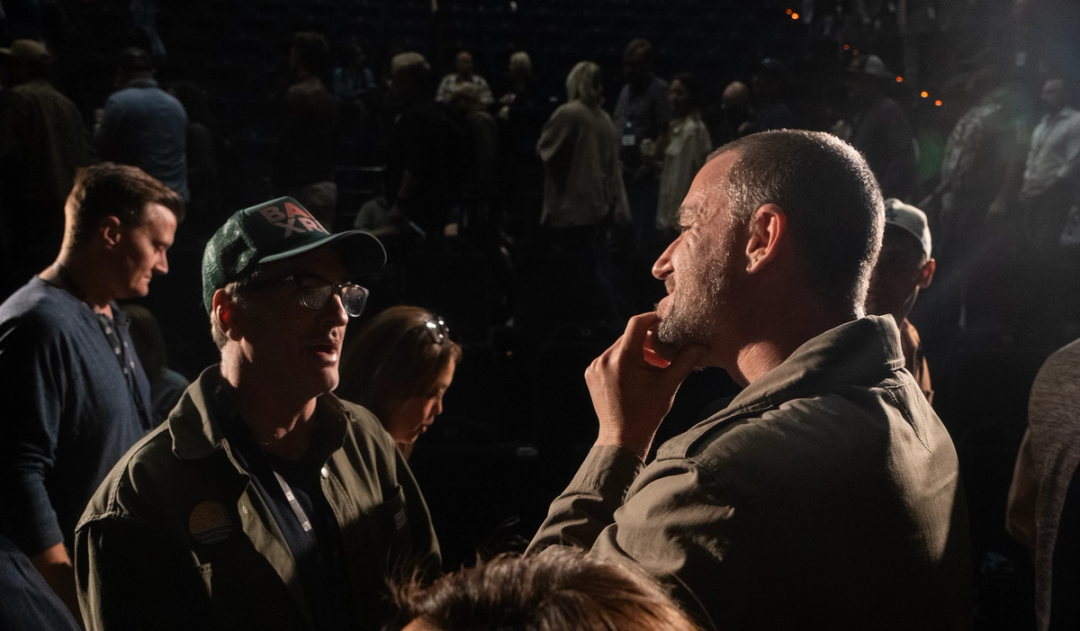
Location was one of the most important elements of the conference this year. Holding the conference at the Culver Studios and Culver Theater meant that it spilled into a public plaza, which introduced unplanned chaos and neutral ground. Our planning team tends to think expo halls and convention centers feel soulless and boring because every square foot exists to be sold, branded, or activated. We design AI on the Lot specifically for connection. Physical space matters a lot for this specific requirement. People meet each other in haphazard, accidental, circumstantial ways. Physical spaces govern these connections, which we value as our most important metric. The Culver Steps has outdoor seating, cafes, bars, lounges, and plazas while event venues have hallways and auditoriums.